Ruislip Lido upholstery cleaning service insider tips
If your sofa has started looking a bit tired, your dining chairs are holding onto mystery marks, or the armchair by the window has taken on that dull, lived-in look, you are probably not after a generic cleaning lecture. You want Ruislip Lido upholstery cleaning service insider tips that actually help in real life: what works, what can go wrong, and how to get better results without wrecking the fabric. Around Ruislip Lido, where homes tend to see plenty of everyday use, muddy shoes, pets, and the odd spilled cuppa, upholstery cleaning is less about vanity and more about keeping furniture comfortable, fresh, and worth keeping.
This guide pulls together the practical bits people wish they had known earlier. We will cover how upholstery cleaning works, which methods suit different materials, when to call in a professional, and the little decisions that make a big difference. There is a fair bit of nuance here, truth be told, because one wrong product on the wrong fabric can turn a minor mark into a much bigger headache.
Expert summary: The best upholstery cleaning results usually come from matching the fabric type, soil level, and drying method to the right approach. Fast drying, proper pre-testing, and careful stain handling matter more than brute force.
Why Ruislip Lido upholstery cleaning service insider tips matters
Upholstery cleaning sounds simple until you realise how many variables are involved. Fabric type, backing material, dye stability, previous DIY products, age of the stain, airflow in the room, and even the weather can all affect the outcome. That is especially true in a local area like Ruislip Lido, where furniture often has to cope with a busy household rhythm: children, pets, visitors, damp coats by the door, food in the living room, the lot.
Good advice matters because upholstery is not like a washable cushion cover you can toss into the machine. Most fixed furniture needs measured, low-moisture care. Too much water can push dirt deeper, create rings, or leave the filling damp for too long. Too much detergent can attract fresh soil. And the wrong stain removal tactic can set a mark permanently. Not ideal, obviously.
These insider tips are useful for two groups. First, people who want to protect a sofa, armchair, ottoman, or headboard they already own. Second, people comparing professional upholstery cleaning services and trying to tell the difference between a careful operator and someone who just says yes to everything. A little knowledge goes a long way.
If you are also looking at related soft-furnishing care, the same careful approach often applies to sofa cleaning, curtain cleaning, and rug cleaning. The materials differ, but the principle is similar: test first, clean gently, dry properly.
How Ruislip Lido upholstery cleaning service insider tips works
At a practical level, upholstery cleaning usually follows a simple but careful sequence: identify the fabric, inspect the condition, pre-treat spots, clean with the appropriate method, then extract moisture and speed up drying. That sounds straightforward, but the details matter a lot.
1. Fabric identification comes first
The cleaner should check whether the item is synthetic, natural, blended, delicate, colour-sensitive, or marked with a manufacturer cleaning code. In plain English, that code tells you whether the fabric is likely to tolerate water-based cleaning, solvent-based cleaning, or only very limited spot treatment. If the fabric is delicate, aggressive cleaning can distort texture, leave watermarking, or cause shrinkage. A bit fussy? Yes. Necessary? Also yes.
2. Soil and stain assessment changes the plan
General dullness needs a different approach from a greasy food spill, pet accident, or ink mark. Surface soil can often be lifted with controlled agitation and extraction. Set-in stains may need targeted treatment, but stronger is not always better. In many cases, a careful staged process gets a cleaner, more even finish than one heavy-handed pass.
3. Pre-testing protects the fabric
This is one of the quiet secrets behind good results. Testing a small hidden area first helps reveal dye bleed, texture changes, or sensitivity to heat and moisture. It takes a few minutes and can save a very expensive mistake. You would be surprised how often this step separates a proper service from a rushed one.
4. The cleaning method is matched to the item
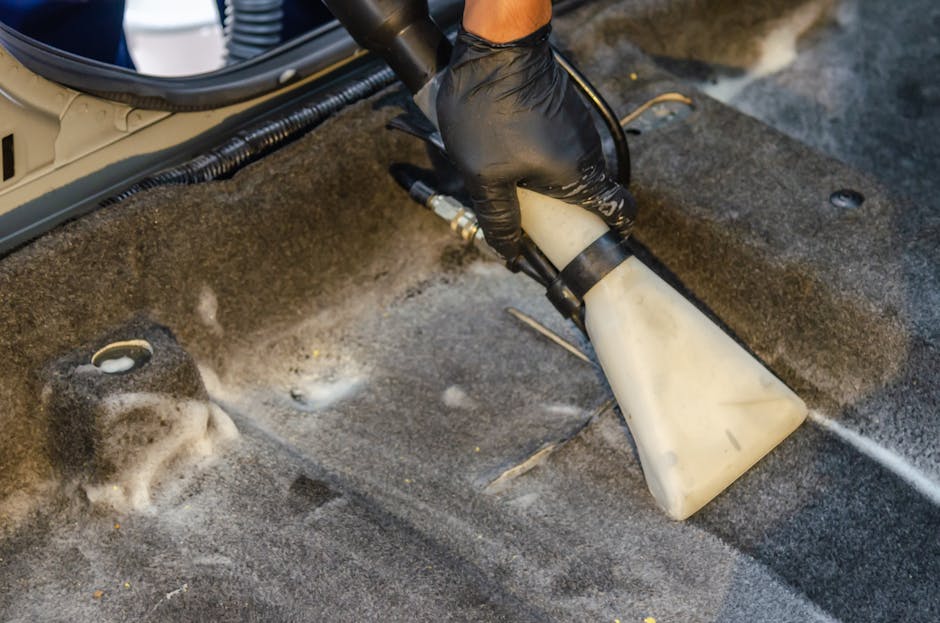
Common upholstery cleaning methods include low-moisture extraction, controlled hot water extraction, dry or near-dry solvent cleaning, and gentle hand treatment for spot cleaning. The right option depends on the fabric and the level of soiling. A thick family sofa in a high-use lounge may need more than a lightly damp armchair in a guest room. Same general service category, different job entirely.
5. Drying is part of cleaning, not an afterthought
Good drying matters as much as the wash itself. Airflow, room temperature, and moisture control help prevent lingering smells and those annoying dark outlines that appear when fabric dries unevenly. If a cleaner leaves a piece slightly damp but well-ventilated, that is usually fine. If it is still wet hours later, not so much.
Key benefits and practical advantages
The most obvious benefit is visual. Clean upholstery simply looks better. But the real value goes a bit deeper than that.
- Improved freshness: Upholstery can trap everyday odours from food, pets, smoke, and general household use.
- Longer fabric life: Grit and body oils wear fibres down over time, so cleaning helps slow that wear.
- Better comfort: Fresh, clean seating feels nicer to use. You notice it the moment you sit down.
- More consistent colour: Professional cleaning can reduce patchy dullness and even out the look of high-traffic areas.
- Better stain control: Acted on early, many spills are easier to remove before they settle in.
- Healthier indoor environment: While cleaning is not a medical treatment, removing dust and debris from soft furnishings can improve day-to-day comfort for many households.
There is also a financial angle. A well-maintained sofa or chair often lasts longer before replacement becomes necessary. That does not mean every item can be rescued forever, of course, but regular care can delay the point where the furniture looks worn beyond repair.
For people comparing services, it helps to understand pricing in context. Transparent providers should be able to explain what is included and what affects the quote. If you want to compare the practical side before booking, it is worth reviewing pricing and quotes alongside the service details, so you know what you are actually paying for.
Who this is for and when it makes sense
Let's face it, not everyone needs upholstery cleaning every month. Some households can go a long time with only spot care. Others, especially busy families or pet owners, need periodic professional attention because the fabric is taking a beating.
This topic makes the most sense if you are one of the following:
- someone with a favourite sofa that gets daily use
- a pet owner dealing with fur, odour, or the occasional accident
- parents trying to keep light-coloured furniture looking decent
- landlords or tenants preparing a property for changeover
- someone hosting guests or an event and wanting the room to look fresh
- a home worker who spends a lot of time sitting in one place, which, honestly, adds up fast
- people with older furniture that still has good structure but needs cosmetic revival
It also makes sense when a stain is not improving with gentle home care. If you have already dabbed, blotted, and held back from scrubbing like a maniac, and the mark is still there, a professional assessment may be the sensible move. Sometimes the smartest thing is simply to stop before making it worse. A bit frustrating, but true.
If the issue is specifically pet-related, services focused on pet stain and odour removal are especially relevant because urine and lingering smells need a different cleaning logic than plain surface dirt.
Step-by-step guidance
If you want to handle upholstery cleaning well, whether you are doing a light refresh yourself or preparing for a professional visit, the process below is a solid starting point.
- Inspect the item carefully. Look for worn seams, loose buttons, pulled threads, colour fade, prior repairs, and unknown stains. Photograph problem areas if you want a before-and-after record.
- Check labels and cleaning codes. If a manufacturer tag is present, follow it. If no tag exists, assume the fabric needs a cautious approach. No guessing games.
- Vacuum thoroughly. Use an upholstery tool and get into creases, cushions, piping, and under cushions. Dry debris left behind can turn into muddy residue once moisture is added.
- Pre-test in a hidden spot. A small patch at the back or under a cushion can reveal whether the fabric will bleed, darken, or texture-shift.
- Spot treat carefully. Work from the outside of a stain inward. Blot rather than rub. A gentle lift is better than an angry scrub.
- Clean the main fabric evenly. Uneven cleaning can leave tide marks. Blend your work across panels or sections so the finish looks consistent.
- Control moisture. Use only the amount needed to release soil. Over-wetting is one of the most common causes of disappointing results.
- Speed up drying. Open windows if conditions allow, create airflow, and avoid sitting on the item until it is properly dry. That sounds obvious, but people do forget.
- Review the result once dry. Some stains or shadows only become visible after the fabric dries. If so, a second targeted treatment may be needed.
For a broader understanding of how textile care fits together, it can help to compare upholstery cleaning with steam carpet cleaning. The equipment and chemistry overlap, but upholstery usually demands more restraint because furniture fabrics and fillings are more delicate than floor coverings.
Expert tips for better results
This is where the small advantages stack up. The difference between decent results and really good ones often comes from the little choices people skip.
Work with the fabric, not against it
Velvet, chenille, linen blends, microfibre, wool mixes, and synthetic weaves all behave differently. A service that treats every item the same is usually cutting corners. Ask how the cleaner plans to handle your exact fabric type. If the answer is vague, that is a bit of a warning sign.
Deal with stains quickly, but calmly
Fresh spills are easier to lift, yet panic is not helpful. Blot first. Remove solids with a spoon or blunt edge if needed. Then use a suitable treatment. The goal is to avoid pushing the spill deeper or spreading it across the fabric. Simple, really, though easier said than done when someone has just tipped red wine on the sofa at 8:30 on a Friday.
Do not overload the room with product
More detergent does not equal more clean. In fact, residue can attract dirt and cause the fabric to look dull again sooner. Low-residue methods are usually the smarter option for upholstery.
Drying airflow can be the difference-maker
A room with poor ventilation is a slow-drying room. If possible, improve circulation before and after the clean. On a damp London afternoon, that matters more than people think. Even cracking a window for a while can help, provided the weather is not working against you.
Ask about protection after cleaning
Depending on the item and fabric, post-clean protection may be worth discussing. Not every piece needs it, but for family seating or high-use chairs it can be useful. The important bit is that it should be suitable for the fabric and not used as a magic promise.
Keep an eye on the hidden spots
Some of the worst buildup sits where you do not immediately see it: under cushions, behind throw pillows, on the underside of armrests, and around piping. If you only clean the visible top surface, the item may still smell or age unevenly. A little awkward to clean? Yes. Worth doing? Absolutely.
Common mistakes to avoid
Most upholstery problems come from a short list of avoidable errors. Once you know them, they are easy enough to sidestep.
- Scrubbing stains aggressively: This can damage fibres and push the stain deeper.
- Using random household products: Bleach, strong stain removers, and harsh sprays can discolor fabric fast.
- Skipping a patch test: This is where colour loss and watermarking often start.
- Over-wetting the fabric: Excess moisture can lead to long drying times, odour, or rings.
- Cleaning only the stain and not the area around it: That can leave a visible halo.
- Ignoring the cleaning code or care label: The label matters more than guesswork.
- Sitting on the furniture too soon: You may flatten fibres or trap dampness before it fully dries.
One quiet mistake that gets overlooked is failing to think about the whole item. If a sofa has a spill on one seat but the whole piece is already dusty and dull, a tiny spot-only fix may look odd next to the rest of it. A proper service will usually judge the item as a whole rather than treating it like one isolated mark.
Tools, resources and recommendations
You do not need a van full of gadgets to care for upholstery properly, but the right tools make the job cleaner and safer.
- Upholstery vacuum attachment: Useful for lifting dust from seams and textured fabrics.
- Soft white cloths or microfiber cloths: Good for blotting and controlled spot work.
- Gentle fabric-safe cleaning solution: Only if appropriate for the material and always patch-tested first.
- Soft brush: Helps lift pile or loosen dirt in a careful way.
- Absorbent towels: Handy for moisture control after treatment.
- Fans or airflow support: Very useful for drying, especially in rooms with limited ventilation.
For a professional service, look for clear explanations, measured wording, and a willingness to inspect before quoting. You want someone who asks about the fabric and the stain history instead of leaping straight into action. That basic curiosity is a good sign.
It is also sensible to check the business side of things. If you are comparing providers, look at insurance and safety so you know the cleaner is thinking about risk properly. For peace of mind around how your information is handled, the page on privacy policy is useful too.
Law, compliance, standards, or best practice
Upholstery cleaning is not usually a heavily regulated service in the way some trades are, but that does not mean standards do not matter. In the UK, responsible cleaners are expected to follow sensible health and safety practice, use chemicals carefully, and work in a way that protects both the customer's property and their own staff.
At a practical level, good best practice includes:
- following manufacturer care instructions where available
- using suitable personal protective equipment when needed
- storing cleaning products safely
- testing products before use on visible fabric
- managing slip hazards from wet floors or hoses
- being clear about what the service includes and any limitations
If you are inviting a cleaner into your home, trust and safety are part of the service, not a side note. It is fair to ask about insurance, method, and what happens if a stain cannot be fully removed. A careful company will answer plainly, not dance around it.
For people who prefer to understand the business terms before booking, the terms and conditions and health and safety policy are worth reading. If you are concerned about how a service handles complaints or service issues, there is also a formal complaints procedure page available.
Options, methods, or comparison table
Different upholstery cleaning methods suit different jobs. Here is a simple comparison to help you think clearly.
| Method | Best for | Strengths | Watch-outs |
|---|---|---|---|
| Low-moisture extraction | Everyday sofas, chairs, and general refreshing | Good soil removal with controlled drying | Needs correct technique to avoid over-wetting |
| Hot water extraction | Heavier soiling on suitable fabrics | Deep clean potential and strong rinse action | Not ideal for delicate or water-sensitive fabrics |
| Dry or near-dry cleaning | Delicate materials or moisture-sensitive items | Lower risk of soak-through and long drying | May be less effective on heavy staining |
| Targeted spot treatment | Small stains or isolated marks | Fast and precise | Often not enough on its own for a full refresh |
| Protective finishing | High-use family furniture | Can help with future spill resistance | Not a substitute for regular care |
There is no single winner here. The best method depends on the fabric and the condition of the piece. A quick example: a lightly marked synthetic sofa in a busy lounge may do well with low-moisture extraction, while a delicate armchair with older fabric may need a softer, more cautious approach. Same room, totally different answer.
If the upholstery cleaning is part of a broader home refresh, you might also think about mattress cleaning or stain removal where appropriate, especially if the same household issues are affecting multiple soft surfaces.
Case study or real-world example
A common local scenario goes like this. A family in the Ruislip Lido area has a three-seater sofa that looks fine from a distance but shows a ring of dullness on the seat fronts, a few food spots near one arm, and a faint smell that seems to come back after weekends. They have already tried a supermarket spray. It helped a little, then left a patchy finish. Not unusual at all.
The better approach would be to vacuum thoroughly, check the fabric type, pre-test in a hidden place, and treat the seating areas evenly rather than attacking the obvious stain only. In this kind of job, a professional would often focus on balance: lifting the whole appearance while treating the stain zones carefully so they do not stand out. That approach usually gives a more natural result than chasing one stubborn mark until the surrounding fabric looks worse.
What tends to impress people most in a situation like this is not just the visible clean. It is the change in the room. The sofa smells fresher, the fabric feels less sticky or greasy, and the lounge suddenly looks more looked-after. You know the feeling when a room just seems lighter? It is a small thing, but not really small.
For customers who want a service built around careful handling and clear communication, reviewing the company background via about us can help set expectations before booking.
Practical checklist
Use this quick checklist before arranging upholstery cleaning or doing a light refresh yourself.
- Identify the furniture type and fabric if possible
- Check for care labels or manufacturer instructions
- Vacuum all seams, folds, and cushion gaps
- Test any cleaner on an unseen area first
- Blot spills instead of rubbing them
- Avoid soaking the fabric
- Keep the room ventilated during drying
- Protect nearby flooring from drips or overspray
- Do not sit on the item until it is fully dry
- Ask questions if the stain is old, greasy, or has an odour
If you are arranging a visit, it also helps to know how the booking and payment side will work. The page on payment and security is worth a look if you like things tidy and predictable. Some people do, some people really do not. Fair enough either way.
Conclusion
The best Ruislip Lido upholstery cleaning service insider tips are not mysterious. They are about matching method to fabric, treating stains with patience, and refusing to rush the drying stage. That alone avoids a surprising number of mistakes. Whether you are trying to rescue a family sofa, freshen an armchair, or simply make a room feel less worn, careful upholstery cleaning can make a real difference.
There is something reassuring about getting it right: the fabric looks calmer, the room feels more settled, and you are not constantly noticing the same old mark every time you sit down. Small win, yes. But one you feel every day.
Get a free quote today and see how much you can save.
When you are ready to take the next step, choose a service that explains its process clearly, respects your furniture, and takes the time to do the job properly. That is usually the difference between a quick clean and a result you are genuinely happy to live with.
Frequently Asked Questions
How often should upholstery be professionally cleaned?
That depends on use. A busy family sofa or pet-friendly home may need attention more often than a guest-room chair. Many people book a clean when visible dullness, stains, or odours become hard to ignore.
Can I clean upholstery myself?
For light maintenance, yes, if you are careful and use the right products. But DIY cleaning is risky on delicate fabrics, older furniture, and stubborn stains. If in doubt, test first or call a professional.
What is the biggest mistake people make with upholstery cleaning?
Over-wetting. It leads to slow drying, rings, and sometimes odour. Scrubbing too hard is another common problem, and it can damage the fabric surface quickly.
Will upholstery cleaning remove pet smells?
It can help a lot, especially when the odour is from surface contamination. Strong or repeated pet odours may need a more targeted approach, which is why dedicated pet stain and odour removal is often the better option.
How long does upholstery take to dry?
Drying time varies by fabric, method, room ventilation, and how much moisture was used. Light cleaning can dry fairly quickly, while deeper cleans may need longer. Good airflow makes a noticeable difference.
Is steam cleaning safe for all upholstery?
No. Despite the name, steam is not suitable for every fabric. Some materials are too delicate or moisture-sensitive, so the cleaner should always check the fabric type before choosing a method.
Should I remove cushions before the cleaner arrives?
If the cushions are loose, it can help to have them ready for inspection. That said, a good cleaner will usually want to assess the whole item in place first, including hidden areas.
Can old stains still be improved?
Often yes, but there are no guarantees. Old stains may have set into the fibres or changed the dye, so the result depends on what caused the mark and how the fabric reacts to treatment.
How do I know if a cleaner is being careful enough?
Look for patch testing, clear explanations, sensible questions about the fabric, and realistic expectations. If everything sounds too quick or too easy, that is worth pausing over.
Is upholstery cleaning worth it for older furniture?
Usually, yes, if the furniture is still structurally sound. Cleaning can revive the look and feel of a well-made piece even when it is clearly not brand new. Sometimes an old favourite just needs a bit of care, that's all.
What should I ask before booking a service?
Ask about fabric suitability, stain treatment, drying expectations, insurance, and what happens if a mark does not fully lift. It is better to ask early than to wish you had later.
Where can I find more about the company's service standards?
You can review the company's upholstery cleaning service page, then check supporting pages such as recycling and sustainability and insurance and safety if those details matter to you. They usually should.